
Utility Support for Chemical Plants Where the Process Mix Makes It Complex
Chemical Plants Run Diverse Processes on Utility Systems That Have to Keep Up
Chemical plants often support a wide mix of processes, products, batch and continuous operations, and changing utility demands across the facility. That variety creates complex interactions between cooling water, steam, condensate, compressed air, process water, and fire protection systems, especially as production targets shift, assets age, and new projects get tied into existing infrastructure.
Hydrus Works helps chemical facilities understand how their utility systems actually perform under real operating conditions, through onsite measurement, field-validated modeling, and fire protection engineering that accounts for the actual hazards and operating realities of the site.
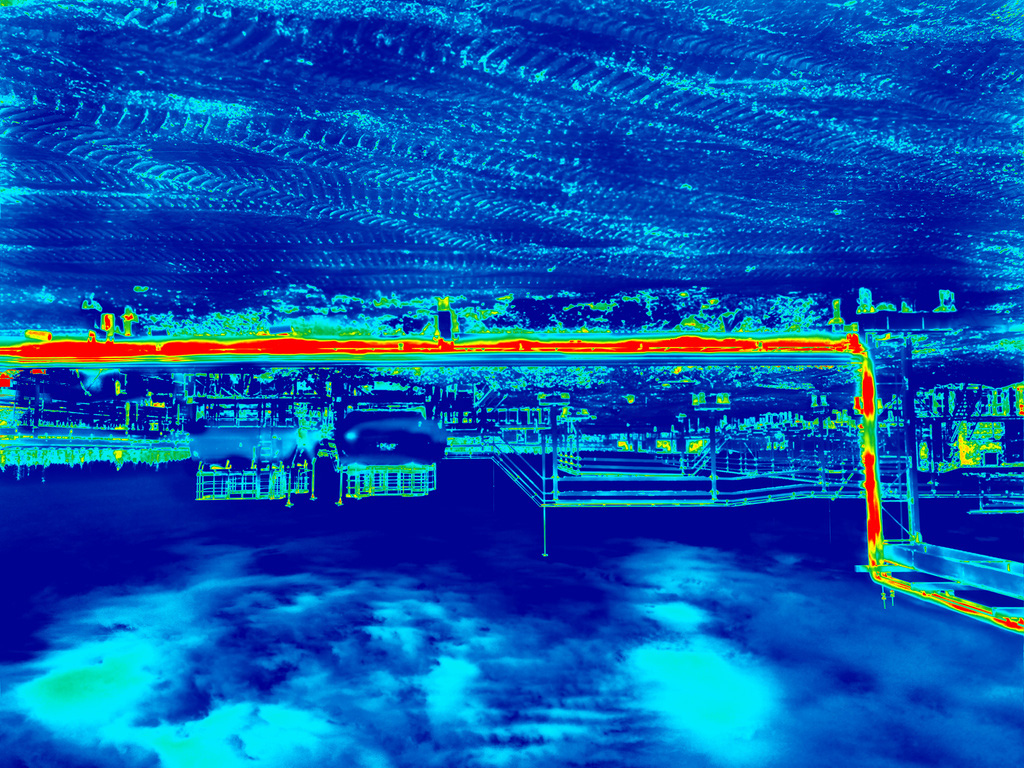
Why Chemical Facilities Work with Hydrus Works
Real Data on Systems Under Changing Load
We measure how your utility systems perform as production mix, operating conditions, and process demands shift, not just at design conditions that may no longer reflect how the plant actually runs.
Reliability Across a Wide Process Mix
Our work is designed to improve operational stability across diverse process units, reduce utility-related disruptions, and give teams confidence in the systems they depend on every day.
Tie-In Support for New Projects
Adding a new unit or process to existing utility infrastructure? We help chemical facilities evaluate available capacity, identify constraints, and design tie-ins with better data and fewer surprises at startup.
Vendor-Neutral
No equipment affiliations. Our recommendations are driven by plant performance and long-term reliability.
Services
Utility Modeling
Validated utility models built from field data to help chemical plants understand system interactions, support process changes, troubleshoot bottlenecks, and plan future projects.
Explore Utility ModelingFire Protection
Code-compliant, field-validated fire protection engineering and firewater support for complex chemical processes, hazardous materials, and facility upgrades.
Explore Fire ProtectionField Surveys
Onsite flow, pressure, temperature, leak, and performance measurements that give chemical plant teams the operating data needed to troubleshoot issues, evaluate changes, and improve engineering decisions.
Explore Field SurveysSurge Modeling
Advanced surge and water hammer analysis to identify transient risk, protect infrastructure, and support safer operating transitions, tie-ins, and system modifications.
Explore Surge Modeling.png "Untitled design (2)")