Surge Studies for New Design. Surge Troubleshooting for Existing Systems.
Two Different Problems. One Engineering Team.
If you're designing a system, you need a surge study that tells you what mitigation is required before the design is committed. If you have a system already running, you need someone who can measure real operating conditions, model actual behavior, and tell you where the risk is and what to do about it. We do both.
Design-Phase Surge Studies
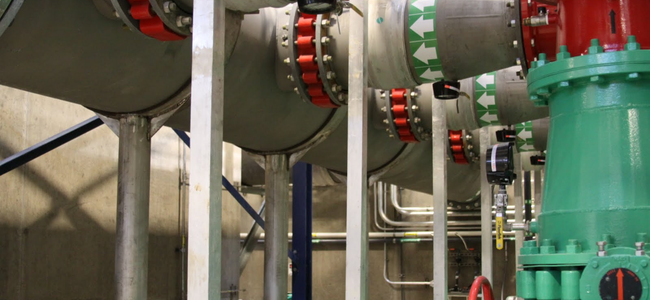
EPCs and design engineers bring us in when a project involves pump systems, pipelines, or distribution networks where transient pressure behavior needs to be understood before the design is finalized. We work from design parameters and specifications to model surge conditions, evaluate mitigation options, and produce a study that gives the design team a clear engineering basis for the mitigation strategy.
The deliverable is a report your team can act on: what the transient conditions look like, where the risks are, and what mitigation is recommended with the technical basis behind it. The design incorporates it. The project moves forward with confidence.
What We Deliver
Surge & Water Hammer Analysis
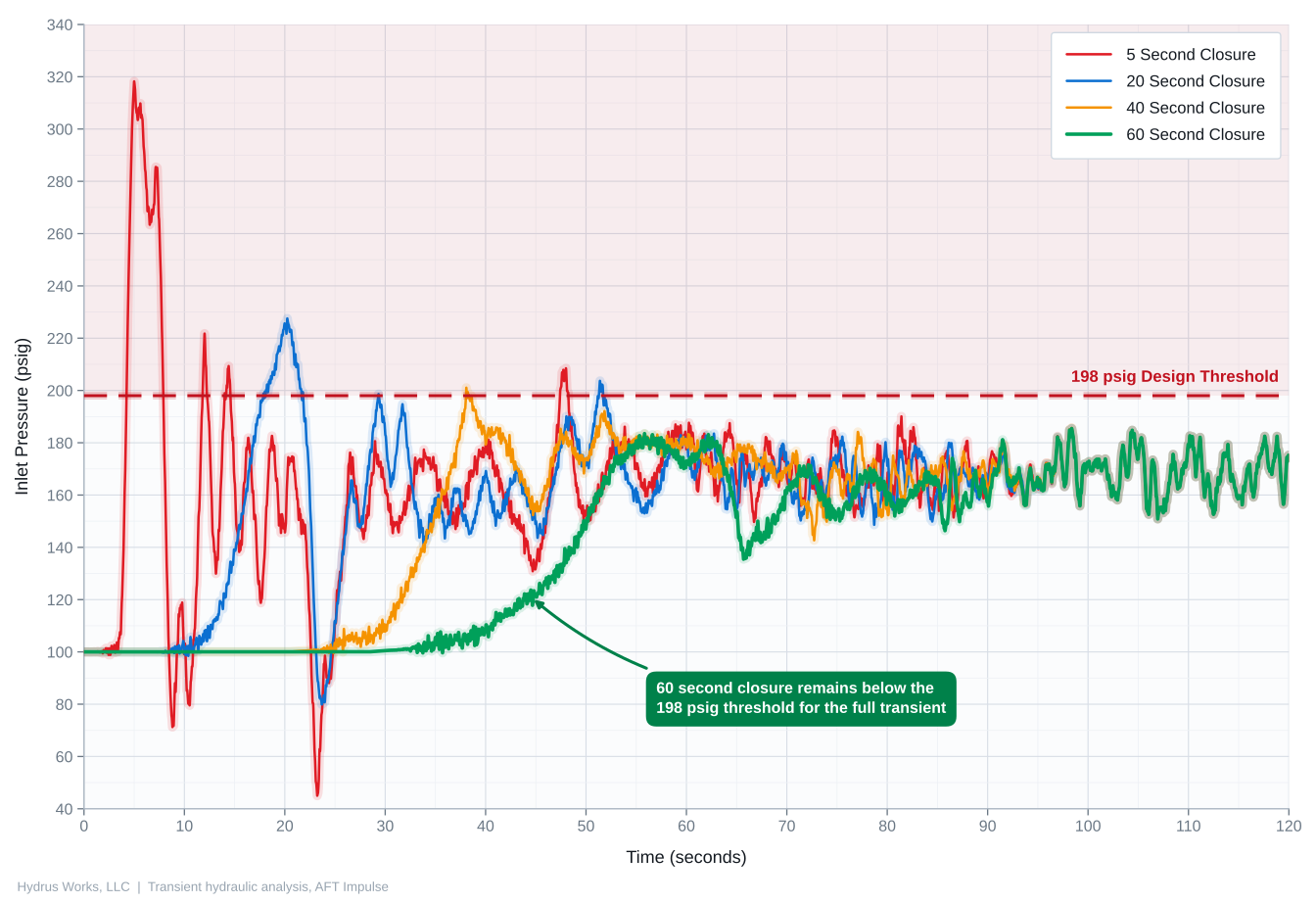
Model transient pressure events from pump trips, valve operations, startups, shutdowns, and system changes using project design parameters, evaluating pressure spikes, column separation, and minimum pressure excursions.
Mitigation Strategy Development
Evaluate mitigation options, including surge tanks, air release valves, control valve sequencing, and operational procedures, and recommend the approach that addresses the risk basis with practical constructability.
Startup & Shutdown Scenario Modeling
Simulate operating transitions to identify surge risk during startup, shutdown, or changes in operating sequence so the design accounts for those conditions before construction.
Pump & Valve System Evaluation
Analyze equipment interactions, control logic, and operating sequences to reduce damaging pressure spikes and improve system stability as part of the design.
Design-Phase Hydraulic Modeling
Develop detailed hydraulic models to understand steady-state and transient behavior across the proposed system, including planned phasing, future expansions, and alternate operating scenarios.
Field Troubleshooting for Existing Systems
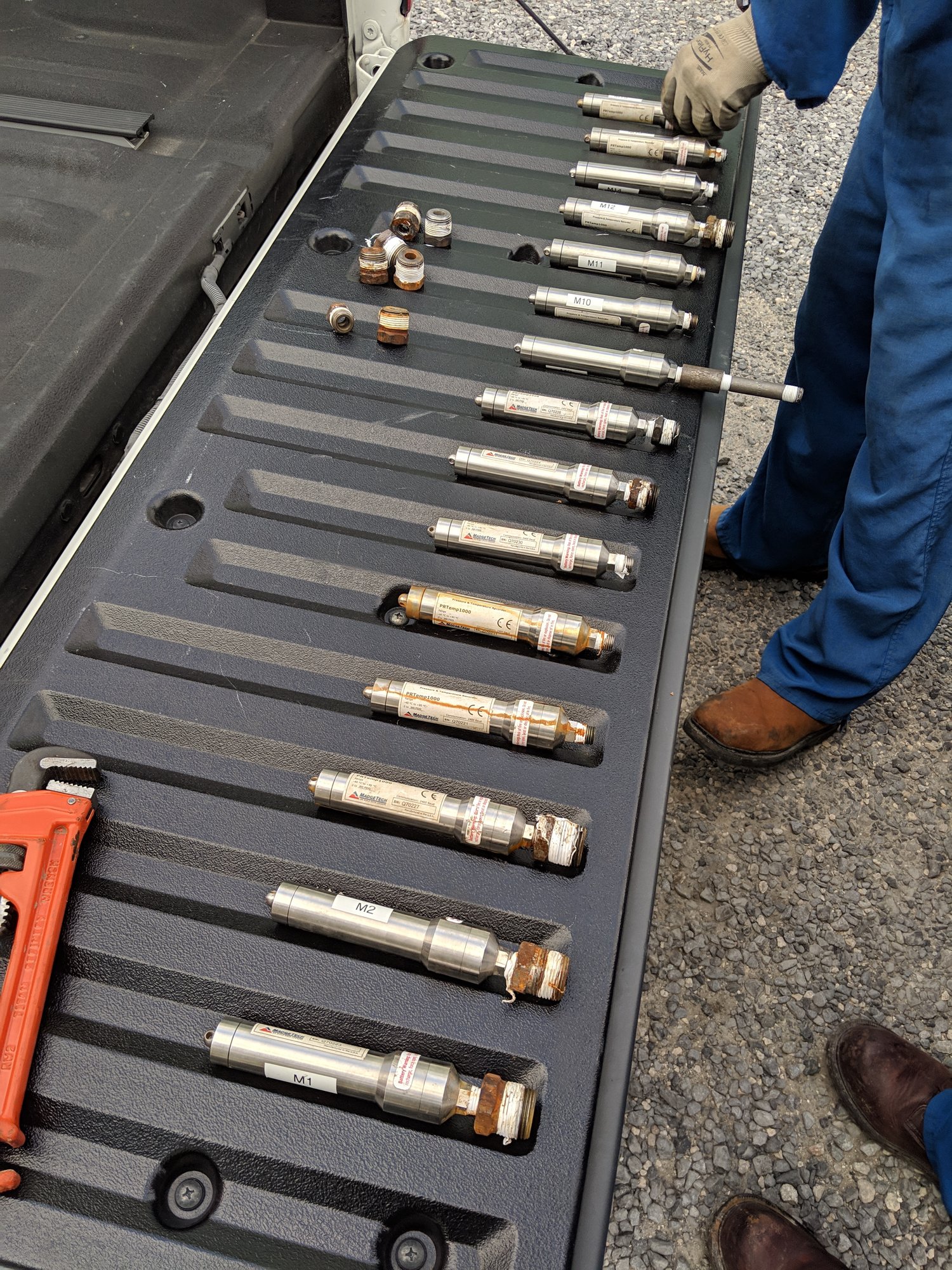
When a system is already in operation and surge is a concern, design-parameter modeling isn't enough. We collect real flow, pressure, and operating data from the system, build a model validated against actual conditions, and use it to identify the risk, evaluate the options, and recommend what to do. The analysis reflects how the system actually behaves, not how it was designed to behave.
This applies whether you're troubleshooting an active problem, evaluating a planned modification, or trying to understand what happened after a pressure event.
What We Deliver
Field Data Collection & System Validation
Collect flow, pressure, and operating data onsite to characterize actual system conditions and validate model accuracy before analysis begins.
Existing System Surge Analysis
Model transient behavior under real operating conditions to identify vulnerable sections, quantify pressure excursions, and understand risk ahead of system changes or as part of incident investigation.
Modification & Tie-In Evaluation
Evaluate how a planned change affects surge behavior on an existing system before the modification is made, using a model grounded in current operating conditions.
Mitigation Strategy for Operating Systems
Recommend practical mitigation, including operational changes, suppression equipment, and control improvements, evaluated against how the system actually runs.
Incident Analysis
Investigate pressure events, equipment damage, or unexpected system behavior using field data and transient modeling to identify root cause and recommend corrective action.
Experience Across System Types
Our engineers have delivered surge studies and troubleshooting analysis across large-diameter pipelines, terminal loading and unloading systems, power plant cooling and process water, LNG facilities, and complex industrial utility networks. The physics are the same; the operating context isn't.